
Mechanical design for healthcare – taking regulations and requirements into account
Liski Group Oy specializes in developing products for the healthcare industry. The design of healthcare equipment differs significantly from other industries due to strict regulations and standards, and knowing them early in the project is crucial. This avoids situations where a structural design error later appears that does not meet official requirements.
Carefully selected design solutions ensure that the product progresses in a controlled manner from an idea to a functional, safe and commercially viable entity.
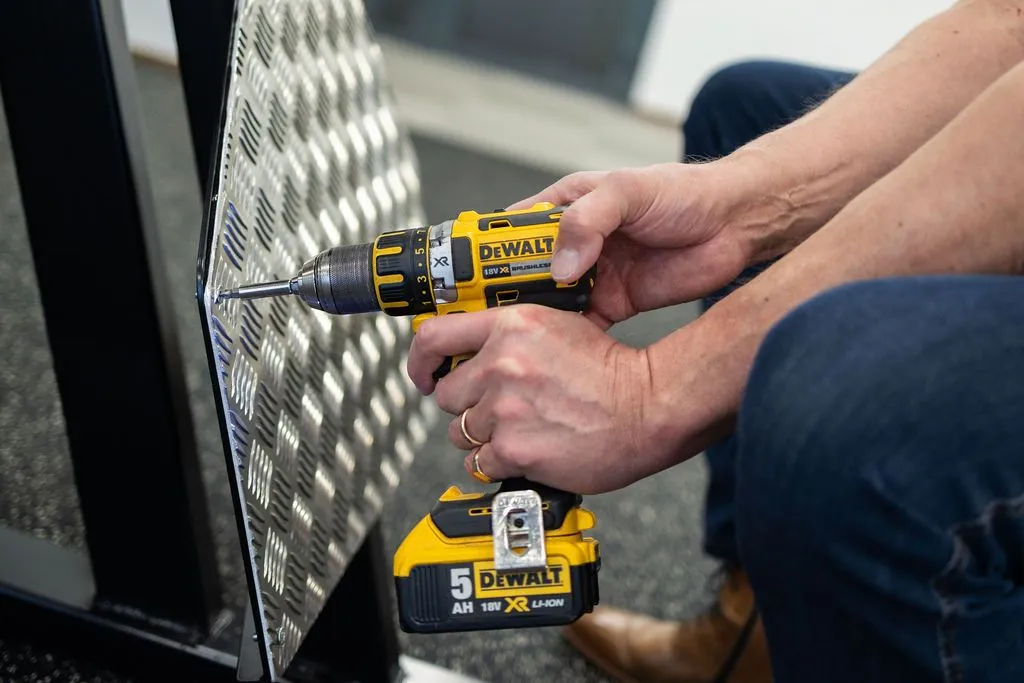
In simple terms, everything that can be touched is mechanics. A mechanical designer designs mechanics, and for example, a chair, a toaster, a car, scissors, etc. are products created by a mechanical designer.
Other professionals in the field also participate in the development of a product. The design of the mechanics of a product also involves industrial design, manufacturing, regulatory requirements, electronics and software design, etc.
Mechanical design involves deciding on the appearance, functions and manufacturing methods of a product. Of course, many details must be taken into account, depending on the product or device being designed.
During mechanical design, the manufacturing method of the product or a part is also decided. Therefore, it is important that the mechanical designer knows the advantages and disadvantages of different manufacturing methods very well.
Most of the product’s manufacturing costs are determined during the design and product development phase. The designer plays a crucial role in ensuring that the product’s manufacturing costs are such that the product becomes commercially viable.
When designing a product, it is also necessary to be familiar with the regulations and official requirements of the industry for which the product is being developed.
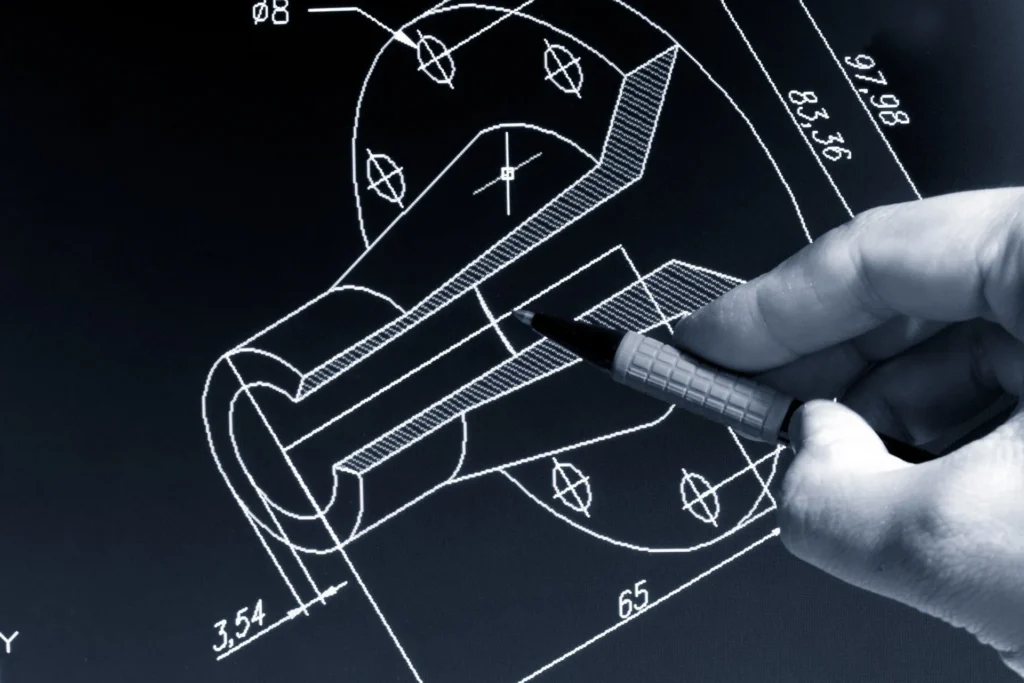
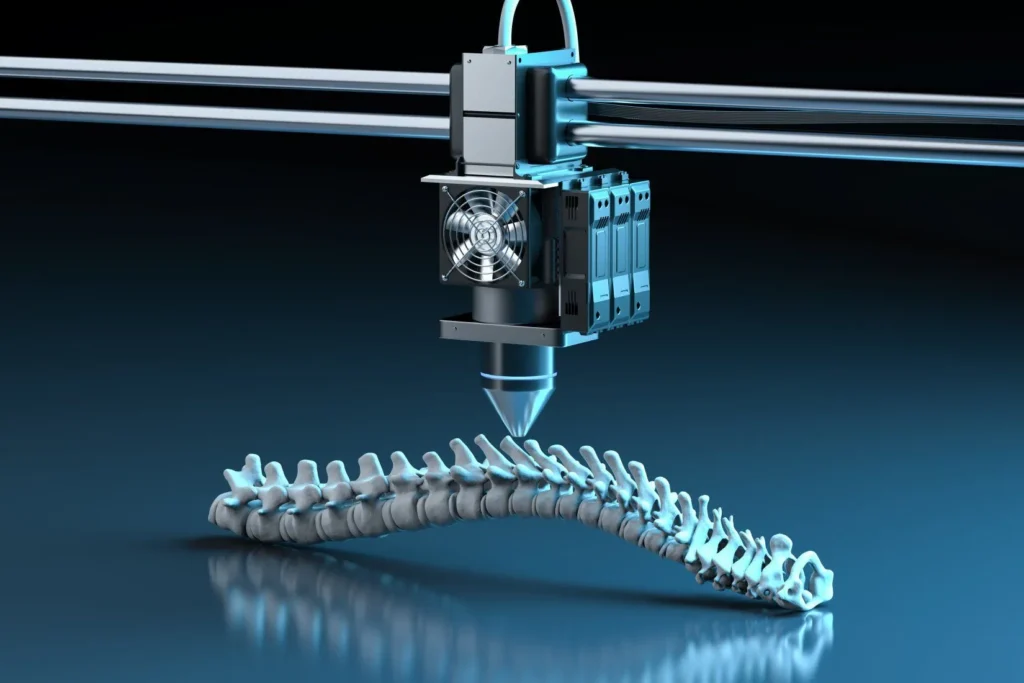
In practice, mechanics are always designed by modeling the device and its parts with parametric 3D CAD. Gone are the days when drawings were made by hand or two-dimensionally with Autocad or similar. Still, 2D drawing has its uses. For example, it is faster to sketch layouts of large spaces without 3D modeling. Preliminary sketches are still made at the very beginning, e.g. on graph paper, so that the idea ofa certain function can be outlined or it can be discussed with the customer or other stakeholders.
The product’s intended use as the starting point for design
A very important thing in design is to understand the intended use of the product or part. The intended use determines many things, including the manufacturing technology, which in turn is chosen based on the desired properties of the product, and the production quantities. It is not always worth doing the best possible thing because it costs too much.
Functionality of the plan in practice
The basic idea ofLiski Group is that what we design, we assemble. This means that the design and product development project is carried out in a way that practical manufacturing is not only possible, but also cost-effective. Extensive experience helps here, as well as a practical understanding of how different things work. The designer must also have an idea ofhow long the product or part will last. A part that moves quickly and a lot has completely different requirements than a static piece.
Prototype phase in mechanical design
Almost all plans are taken to the prototype phase, and more than one prototype is often made for complex devices.
Often, a very rough prototype is made at the beginning in order to test the functionality of an idea. It makes no sense to design a large entity completely if a function does not work. Therefore, new and unknown functions must be tested with a prototype before continuing with the plan. Prototyping and testing prototypes are an essential part of mechanical design as mechanical design.
In mechanical design, the appearance, functions and manufacturing methods of the product are decided. Of course, many details depend on what product or device is being designed.
During mechanical design, the manufacturing method of the product or a part is also decided. Therefore, it is important that the mechanical designer knows very well the advantages and disadvantages of different manufacturing methods.
Most of the manufacturing costs of a product are determined during the design and product development phase. The designer plays an essential role in ensuring that the manufacturing costs of the product are kept to a level that makes it commercially viable.
When designing a product, it is also necessary to be familiar with the regulations and official requirements of the industry for which the product is being developed.
Liski Group Oy specializes in developing products for the healthcare industry. The development of healthcare equipment differs from other industries in terms of numerous regulations and standards. It is important to be familiar with these issues at an early stage. It is very unfortunate if a structural design error is later discovered that is not suitable for implementation in accordance with the regulations.